In 2026, this model is changing rapidly…
Across Europe, warehouse operators are facing a convergence of pressures: rising construction costs, land scarcity, sustainability requirements, labour constraints, and complex planning. At the same time, volatile demand requires facilities that can quickly adapt without disrupting operations.
As a result, a growing number of businesses are discovering that the most effective path to increase capacity and productivity is not through expansion but through modernisation and retrofitting with strategic upgrades. Rather than building new, businesses are now focused on unlocking untapped potential within their existing footprint.
For many businesses, this approach delivers four critical advantages:
- Lower capital investment.
- Faster implementation timelines.
- Minimal operational disruption.
- Greater long-term scalability.
This shift marks a structural change in warehouse strategy. Success is no longer determined by how much space you have but by how intelligently you use it.
Why New Construction Is No Longer The Default Solution
Building a new warehouse was once considered the most straightforward path to growth. Today, it is increasingly complex and uncertain. Construction costs across Europe have risen significantly in recent years due to material price inflation and labour shortages. New developments also face longer approval timelines, particularly where land use, environmental impact and infrastructure capacity are under scrutiny.
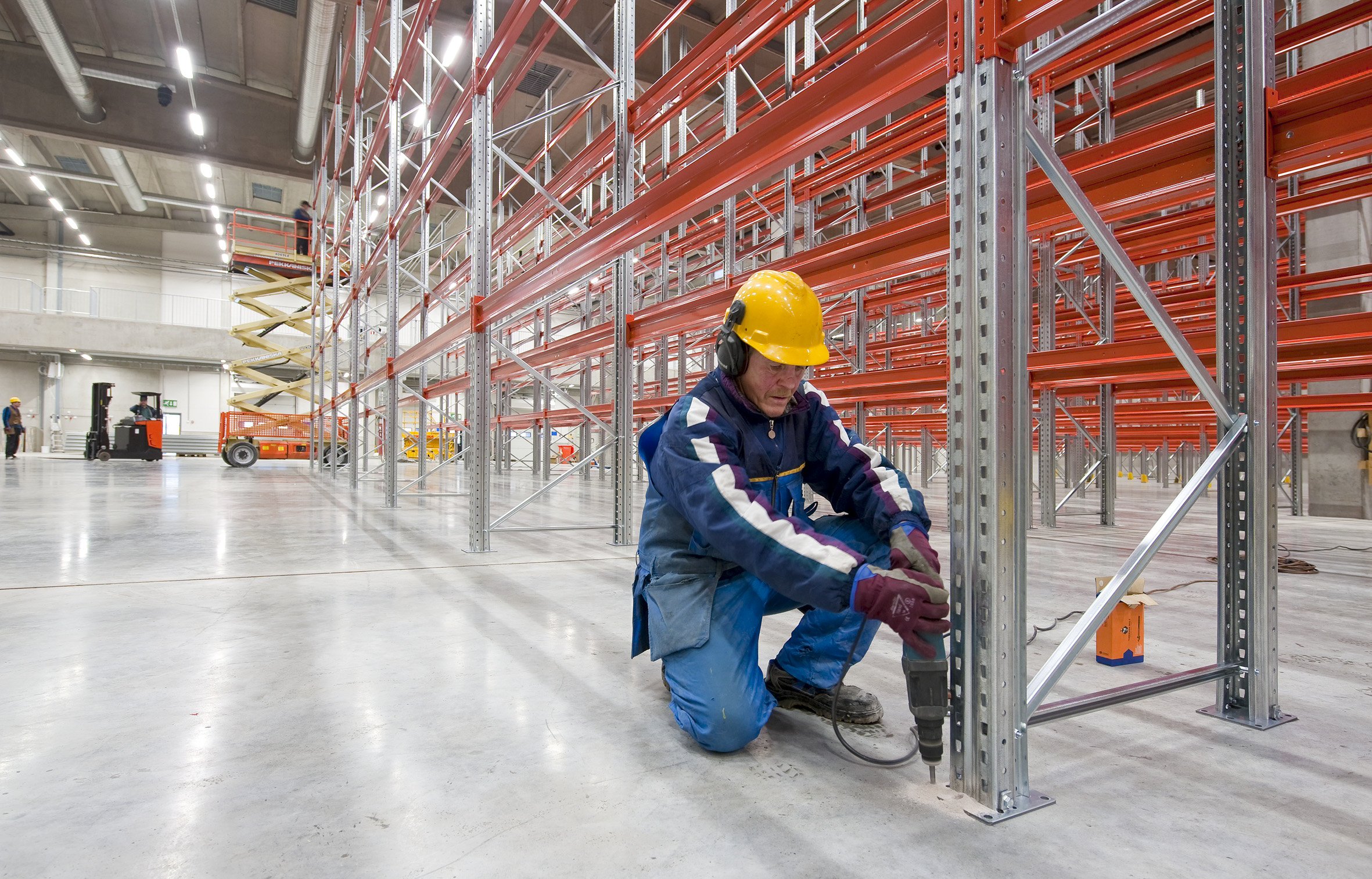
Besides cost and planning risks, new builds present operational challenges. Facilities often take years to design, approve, construct, and commission, which delays when performance improvements can be realised. In contrast, modernisation enables businesses to unlock hidden capacity within their existing footprint much more quickly and at a considerably lower risk. Warehouse modernisation improves your facility's efficiency, safety, and flexibility through physical updates, new technology, and smarter workflows. It involves reconfiguring storage for better use of vertical space, replacing racking with denser options, redesigning traffic flow for safety, adding automation, and upgrading lighting and digital infrastructure. Essentially, it makes your warehouse perform like new without expensive construction.
Why Modernising Your Warehouse Makes Economic Sense In 2026
The financial case for modernisation has strengthened significantly in recent years.
Industry research shows that:
- New warehouse construction costs have risen by more than 25% across Europe since 2020, driven by material inflation and labour shortages.
- Industry studies from JLL and Deloitte indicate that retrofit projects typically require 40-70% less capital investment than new builds.
- Modernisation initiatives often deliver capacity increases of 80% through layout optimisation, with systems like our MOVO – Mobile Pallet Racking.
Crucially, modernisation also reduces operational disruption. While new builds can take several years from planning approval to commissioning, retrofit projects are often implemented in phases, allowing warehouses to remain operational throughout. This combination of lower investment, faster timelines and measurable performance gains makes warehouse upgrades an increasingly attractive strategic choice.
How to Spot When Your Warehouse Needs Modernisation
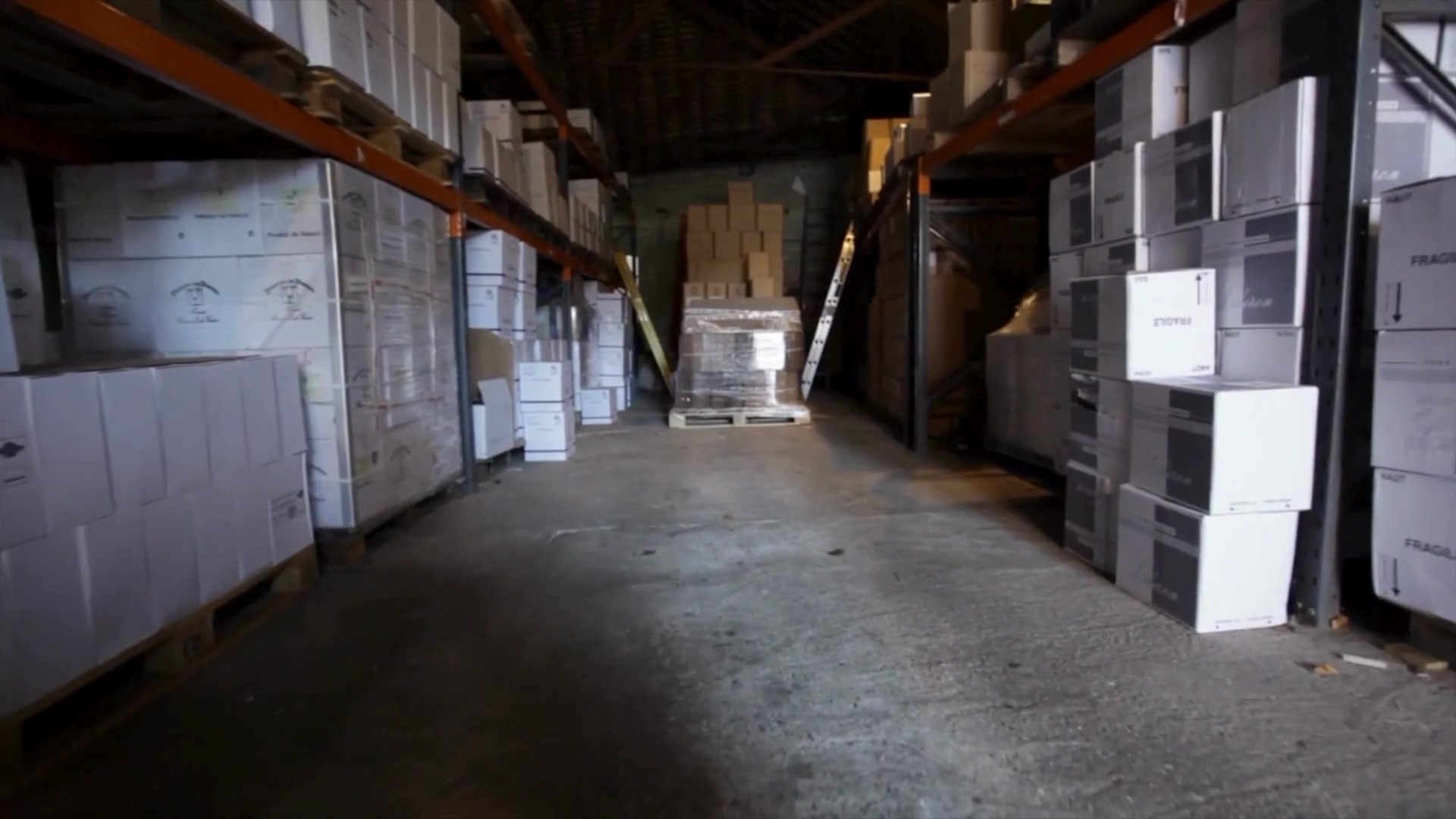
Most warehouses do not require a complete rebuild or relocation. Instead, performance challenges often emerge gradually as operations evolve.
Common indicators include:
- Persistent bottlenecks in picking or replenishment.
- Significant areas of underutilised vertical space.
- Increasing reliance on temporary labour during peak periods.
- Frequent safety incidents or near misses.
- Declining fulfilment speed or accuracy.